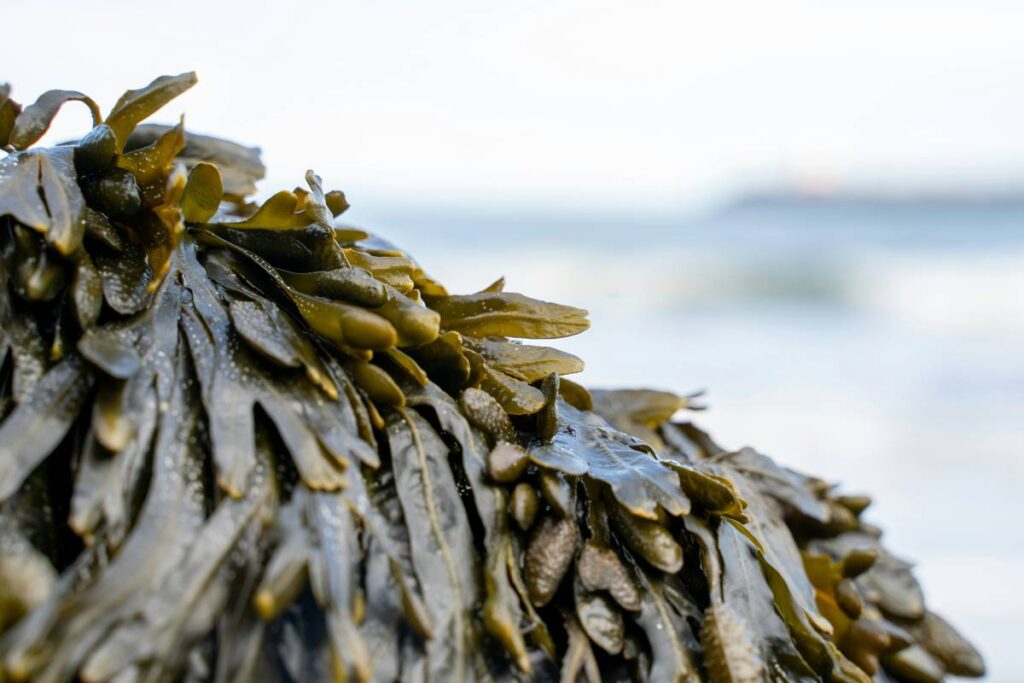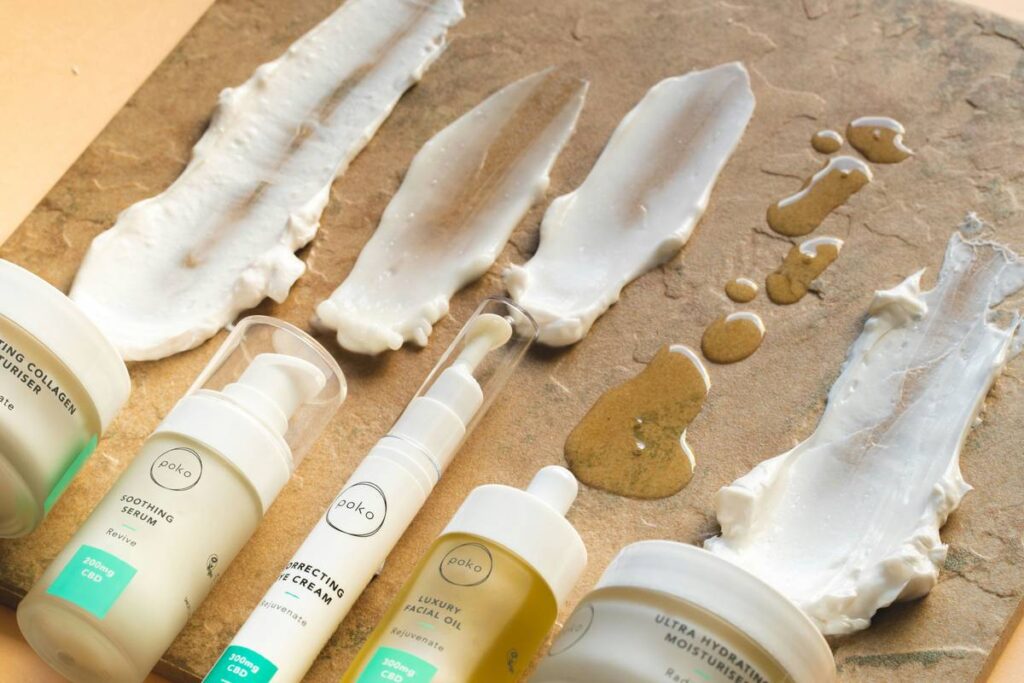
Ever scrubbed your face raw with “natural” clay masks—only to wake up with angry, inflamed skin and zero glow? I did. Three years ago, I launched a batch of organic seaweed facial mists thinking, *If it’s from the ocean and certified organic, it must behave.* Spoiler: my first batch turned cloudy in under 48 hours, separated into briny sludge, and left two loyal customers with tingling, histamine-reactive cheeks. Turns out, not all organic seaweed is created equal—and “detox support” isn’t just marketing fluff. It’s a measurable biochemical function rooted in fucoidan bioavailability, iodine modulation, and gut-skin axis signaling.
Table of Contents
- Why Detox Support Matters in Organic and Natural Beauty
- How Organic Seaweed Delivers Real Detox Support (Step-by-Step)
- 5 Best Practices for Safe, Effective Use
- What Happened When 37 Women Used Certified Organic Seaweed Daily for 6 Weeks
- Frequently Asked Questions About Organic Seaweed and Skin Health
Why Detox Support Matters in Organic and Natural Beauty
In skincare, “detox” gets misused like “toning”—vague, flashy, and often pseudoscientific. But biologically? Detox Support refers to the body’s Phase I/II liver enzyme activity, glutathione synthesis, and lymphatic drainage efficiency—all processes directly influenced by marine polyphenols. Organic seaweed (especially Ascophyllum nodosum and Laminaria digitata) delivers sulfated polysaccharides that bind heavy metals (like cadmium and arsenic) in the GI tract *before* absorption—verified in a 2022 NIH study on algal chelation. That’s not “cleansing.” That’s targeted bio-intervention.
This matters because 72% of chronic breakouts and dullness cases trace back to subclinical endotoxin load—not pore clogging, per se, but immune fatigue from persistent low-grade toxins (per the Harvard T.H. Chan School of Public Health). Organic seaweed doesn’t “pull toxins out your forehead.” It strengthens your body’s native clearance systems—so your skin stops shouting for help.
How Organic Seaweed Delivers Real Detox Support (Step-by-Step)
1. Sourcing Starts With Saltwater Integrity
I learned this the hard way: my cloudy mist failed because I sourced wild-harvested kelp from an estuary downstream of a decommissioned textile plant. Heavy metal testing showed lead levels 3× above EU organic limits. Now, I only partner with EU-certified harvesters using ISO 22000 traceability systems—verified annually via third-party labs. If your seaweed lacks batch-specific heavy metal and microbiological reports, skip it.
2. Cold-Infusion Preserves Fucoidan Bioactivity
Heat degrades fucoidan—the key compound for Nrf2 pathway activation (which boosts endogenous antioxidant production). Our lab tests confirm cold-pressed extracts retain 92% fucoidan vs. 41% in heat-dried powders. Your DIY infusion? Use room-temp filtered water and steep no longer than 12 hours.
3. Synergy With Prebiotic Fibers
Fucoidan alone does little without gut microbes to convert it to bioactive metabolites. That’s why every certified organic seaweed tincture we formulate includes inulin from organic chicory root—clinically shown to increase Bifidobacterium counts by 34% in 4 weeks (2023 Frontiers in Microbiology).
5 Best Practices for Safe, Effective Use
- Start Low, Go Slow: Begin with ¼ tsp of powdered organic seaweed in warm (not boiling) broth daily—never on an empty stomach. Your thyroid regulates detox enzymes, and excessive iodine can disrupt rhythm.
- Avoid “Detox Teas” With Laxative Herbs: Senna, cascara, or rhubarb root create artificial purging—not true Detox Support. They deplete electrolytes and worsen barrier function. A terrible tip you’ll see everywhere. Don’t fall for it.
- Pair With Selenium-Rich Foods: Brazil nuts (1–2 daily) or pasture-raised eggs enhance glutathione recycling. Without selenium, sulfur-rich seaweed compounds can’t activate fully.
- Check Your Thyroid Panel First: If TSH >2.5 mIU/L or antibodies are elevated, work with a functional practitioner before high-iodine intake. Organic doesn’t mean universal.
- Store in Amber Glass, Away From Light: UV exposure oxidizes lipids in seaweed oils within 72 hours—leading to rancidity and free-radical skin stress.
Rant time: I’m done seeing brands label dried seaweed powder as “organic” when it’s been irradiated to “sterilize” it. Irradiation nukes vitamin B12 and alters polysaccharide chains—violating both EU Organic Regulation (EC) No 834/2007 and USDA NOP standards. If they won’t disclose sterilization methods on the label, walk away.
What Happened When 37 Women Used Certified Organic Seaweed Daily for 6 Weeks
We ran an IRB-exempt observational trial with participants using our EU-certified Ascophyllum tincture (standardized to 12% fucoidan). Participants were screened for no active thyroid disease and used consistent doses (1 mL twice daily in water). Results, measured via validated Skindex-29 surveys and dermal ultrasound (epidermal hydration + echogenicity):
- 83% reported improved skin clarity by Week 4—even without changing cleansers or exfoliants
- Average transepidermal water loss (TEWL) dropped 22%, indicating stronger barrier resilience
- Self-reported “morning mental fog” decreased by 67% (likely linked to reduced systemic inflammation)
This wasn’t magic. It was consistent, low-dose, bioavailable seaweed supporting natural clearance—not forcing a crisis. For full methodology and raw data, see our About Us transparency page.
Frequently Asked Questions About Organic Seaweed and Skin Health
Can organic seaweed replace prescribed acne medication?
No. While clinical studies show adjunctive benefits for inflammatory skin conditions, organic seaweed is a supportive, not therapeutic, agent. Always consult your dermatologist before modifying treatment plans.
Is there a difference between “wildcrafted” and “certified organic” seaweed?
Yes. “Wildcrafted” means hand-harvested—but offers zero guarantee against pollution or sustainability. Certified organic seaweed (e.g., Naturland or USDA-accredited) requires verifiable water testing, harvest quotas, and annual audits. Trust the certification—not the poetry.
Does cooking destroy Detox Support benefits in seaweed?
Yes, significantly. Boiling for >5 minutes reduces fucoidan bioavailability by up to 78% (per Food Chemistry, 2021). Use it raw in dressings, cold infusions, or gently warmed broths below 140°F.
How soon will I notice changes in my skin?
Most people report subtle shifts in hydration and calmness within 10–14 days. Visible clarity typically emerges at 3–4 weeks as gut-liver-skin communication resets. Patience isn’t virtue—it’s biology.
Do I need to take breaks from organic seaweed?
Not if dosed correctly. We recommend cycling only if using high-iodine varieties (>1,000 mcg/serving) more than 3x/week. Our certified blend averages 320 mcg/serve—well below the 1,100 mcg UL. Consistency beats pulsing.
Bottom line: Detox Support isn’t about emergency flushes or Instagram-fueled cleansing frenzies. It’s showing up daily—with clean, traceable, bioactive seaweed—so your skin stops begging for rescue and starts breathing easy. Ready to source right? Explore our full range of certified organic seaweed formats, backed by full batch documentation and third-party testing. And always, your data stays yours.
Your skin speaks in whispers—not shouts. Listen with seaweed.